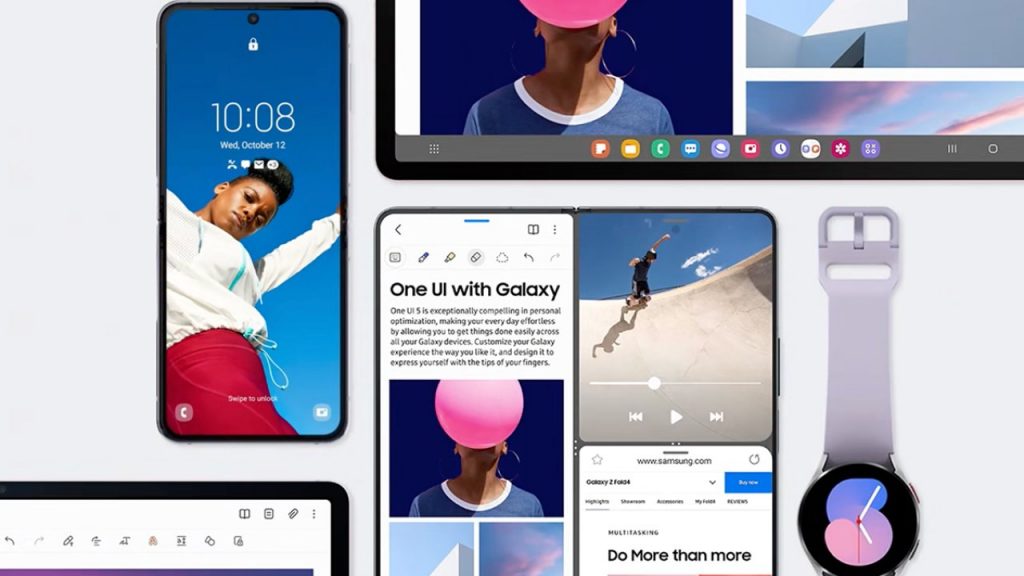
Deep within the latest One UI beta builds, Samsung has embedded references to “Galaxy Glasses”—a device that hasn’t been officially released. This isn’t placeholder code or a leak from a disgruntled employee. It’s an active software integration, suggesting Samsung is preparing the ground for its long-rumored smart glasses well before they hit shelves.
This quiet rollout reveals more than just product timing—it reflects a strategic shift in how Samsung positions its wearable ecosystem. By integrating Galaxy Glasses support into One UI now, Samsung is ensuring seamless pairing, intuitive controls, and immediate functionality the moment the hardware launches.
For users, this could mean real-time notifications, voice-assisted tasks, and AR overlays—all synchronized across Galaxy smartphones, watches, and earbuds. For developers, it signals the arrival of a new interface layer in the Samsung ecosystem.
Let’s unpack what’s already visible, what it means for users, and how Samsung is laying the groundwork for ambient, glasses-based computing.
One UI Now Contains Galaxy Glasses Framework
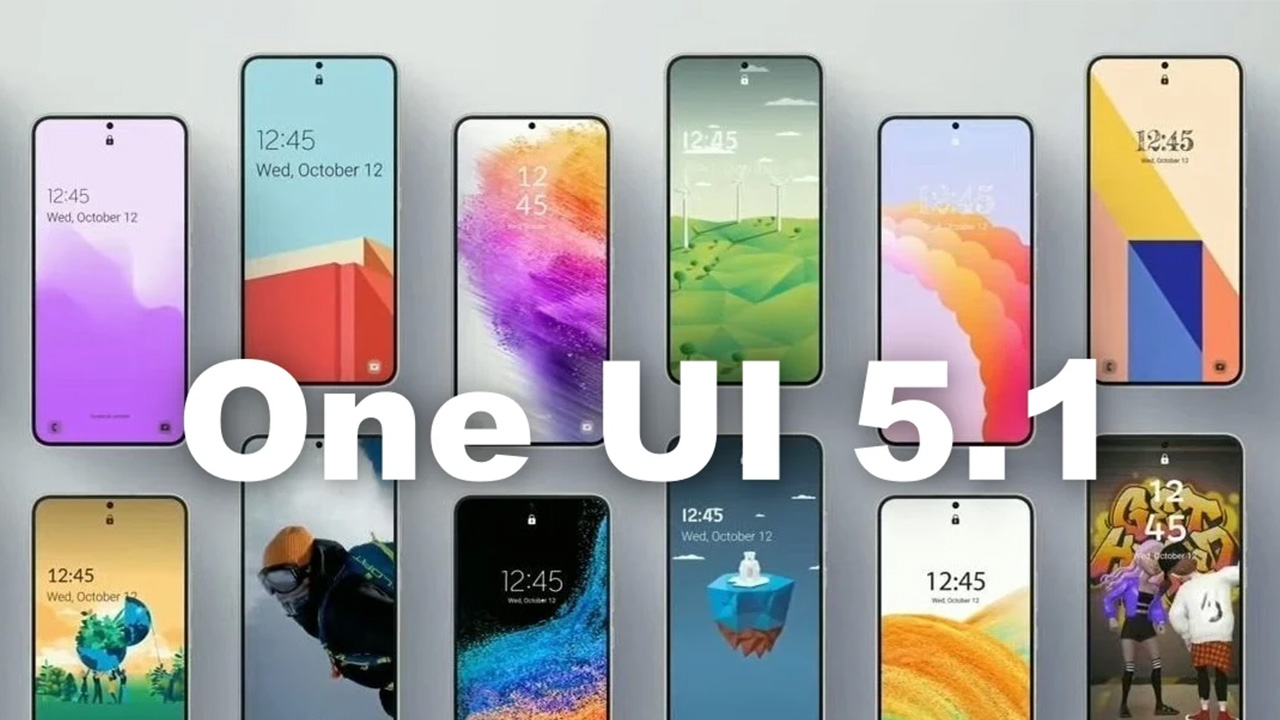
Examining recent One UI 6.1 beta firmware updates reveals new strings, system dialogs, and connectivity prompts explicitly referencing “Galaxy Glasses.” These aren’t speculative or hidden behind developer menus—they’re active components accessible under Bluetooth device pairing and display settings.
What’s visible so far includes: - A dedicated pairing wizard labeled “Galaxy Glasses setup” - Display calibration options for near-eye projection - Voice assistant trigger settings (“Hey Galaxy” via glasses mic) - Audio routing preferences between glasses, Buds, and phone
This level of integration suggests Samsung isn’t just preparing for a basic Bluetooth audio device. The software structure supports bidirectional communication, sensor input, and contextual awareness—hallmarks of an augmented reality or AI-assisted wearable.
Why Integrate Before Launch?
Samsung’s decision to bake Galaxy Glasses support into One UI months ahead of hardware release is a deliberate play in user experience design. Consider the alternatives:
If Samsung waited to release the glasses first, users would face: - Delayed software updates to enable full features - Confusing setup workflows or missing functionality - App incompatibility until developers catch up
By flipping the script—software first—Samsung ensures: - Immediate plug-and-play experience at launch - Developers can start optimizing apps ahead of time - No dependency on third-party firmware rollouts
This mirrors Apple’s approach with AirPods and Apple Watch, where deep OS integration from day one created a frictionless user experience. Samsung is applying the same playbook to a more complex wearable category.
Expected Features Based on One UI Clues
Though the glasses haven’t been unveiled, the software breadcrumbs in One UI suggest several key capabilities:
Real-Time Notification Mirroring
- Full SMS previews without phone interaction
- Calendar reminders with location-based triggers
- App-specific banners (e.g., Uber arrival, flight updates)
This isn’t just glanceable info—it’s actionable. Early code shows prompts like “Swipe to dismiss” or “Tap to reply via voice,” hinting at gesture or touch controls on the glasses frame.
Audio Routing Intelligence A new “Audio Share” menu in One UI lets users assign which device handles audio output—Galaxy Buds, phone speaker, or Galaxy Glasses. Crucially, it includes a “prioritize glasses” mode that automatically shifts calls and alerts to the glasses when worn.
This suggests: - Proximity or motion sensors detect when glasses are on - Context-aware switching (e.g., phone call defaults to glasses if worn) - Multi-device audio layering (music on Buds, alerts on glasses)
Such precision requires tight hardware-software coordination—something only possible with early OS integration.
AR-Ready Display Controls One of the most telling additions is a “Near-Eye Display Calibration” tool in developer settings. It guides users through focus adjustment, interpupillary distance (IPD) setup, and brightness tuning—all classic AR/VR onboarding steps.
While the first-gen Galaxy Glasses may not offer full AR overlays, this framework suggests: - Future support for navigation arrows overlaid on real-world views - Smart translation of foreign text in real time - Object recognition (e.g., identifying landmarks)
These features would rely on the paired Galaxy phone for processing, with the glasses acting as a display and input layer—a practical compromise that keeps costs and battery usage manageable.
How This Changes the Wearable Game
Most smart glasses fail because they’re isolated gadgets. Google Glass, Ray-Ban Meta, and even early Vuzix models struggled with poor battery life, limited functionality, and clunky smartphone dependence.
Samsung is avoiding that trap by treating Galaxy Glasses as a native One UI extension—not an add-on.
Seamless Ecosystem Handoff Imagine:
- Start reading an article on your Galaxy phone
- Put on Galaxy Glasses—text continues in your field of view
- Receive a call—audio switches automatically to glasses mic and speakers
- End call, glance at Galaxy Watch to see heart rate spike from the stressful conversation
This continuity is only possible when all devices speak the same OS language. By building Galaxy Glasses into One UI now, Samsung is ensuring that data, context, and interface flow effortlessly.
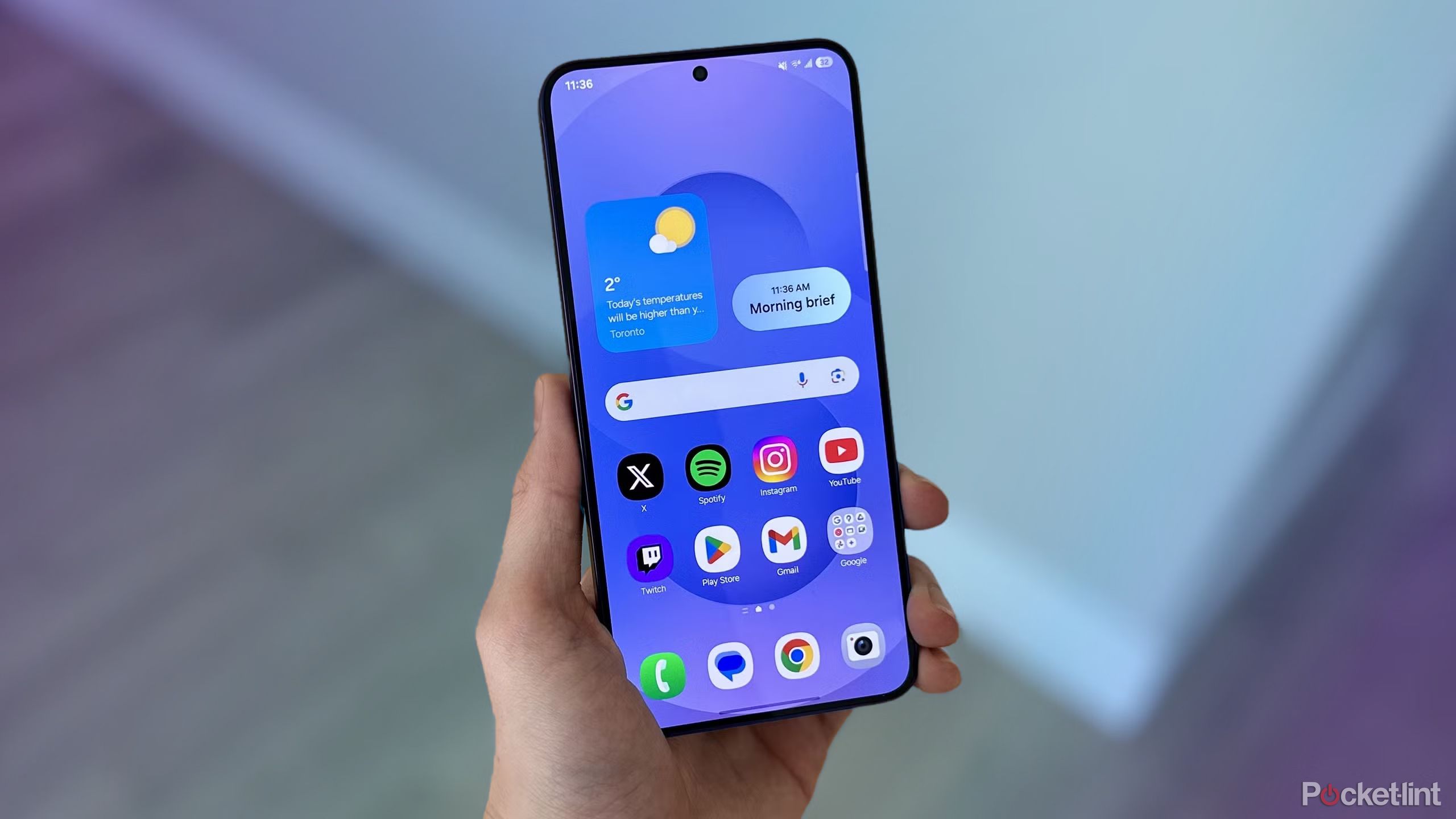
Developer Readiness from Day One Early access to APIs means developers can begin building glasses-optimized experiences before the hardware launches. Potential use cases: - Productivity: Outlook or Gmail with glanceable email summaries - Navigation: Waze with turn-by-turn arrows projected onto the lens - Fitness: Real-time pace and heart rate during outdoor runs - Shopping: Price comparisons or product info when viewing items in-store
Samsung will likely launch a Galaxy Glasses Developer Program, similar to its Galaxy Watch and Bixby initiatives, to accelerate app support.
Hardware Expectations Based on Software Hints
While Samsung hasn’t confirmed specs, the software constraints and capabilities imply several hardware realities:
- Battery Life: Likely 4–6 hours of active use, extended via power-saving modes in One UI
- Display: Monocular or dual-waveguide display with low-resolution overlay (not full video)
- Sensors: Accelerometer, gyroscope, proximity, and ambient light sensor
- Connectivity: Bluetooth 5.3 + Wi-Fi 6, possibly UWB for precise phone pairing
- Audio: Open-ear speakers or bone conduction, with noise-cancelling mics
Design-wise, early renders and leaks suggest a Ray-Ban-like aesthetic—sleek, lightweight, and socially acceptable. The integration into One UI suggests they’ll be marketed not as a niche gadget, but as a daily driver for professionals, multitaskers, and Android power users.
What Could Go Wrong?
Even with strong software prep, Galaxy Glasses face hurdles:
Privacy Perception Camera-equipped smart glasses still carry stigma. Samsung will need clear visual indicators (LEDs when recording), strict app permissions, and on-device processing to avoid backlash. One UI already includes a “camera usage log” in digital wellbeing—likely to be extended to glasses.
User Adoption Curve Unlike watches or earbuds, glasses require behavioral change. Users must remember to wear them, charge them, and trust the interface. Samsung may bundle them with high-end Galaxy bundles or offer trade-in incentives to drive trial.
App Ecosystem Lag Even with early APIs, most developers won’t prioritize a device that doesn’t exist yet. Samsung may need to seed devices to key partners and offer SDK incentives to avoid a “chicken-and-egg” problem.
The Bigger Picture: Samsung’s Ambient Computing Vision
Galaxy Glasses aren’t just another wearable. They’re a critical piece in Samsung’s ambient computing strategy—the idea that technology should be always available, never intrusive.
With Galaxy Rings, Buds, Watches, and now Glasses, Samsung is creating a mesh of personal devices that anticipate needs: - Morning: Glasses display weather and schedule as you get dressed - Commute: Translate street signs in real time during travel - Work: Hands-free dictation and meeting notes via Bixby - Evening: Dim display and activate wind noise reduction for walks
One UI is the glue. By adding Galaxy Glasses support early, Samsung isn’t just shipping a product—it’s building a responsive, intelligent environment around the user.
Final Thoughts
Samsung’s decision to integrate Galaxy Glasses support into One UI before launch isn’t just technical prep—it’s a statement. The company is betting that the future of mobile computing isn’t in your hand, but in your field of view.
By prioritizing software readiness, ecosystem cohesion, and developer access, Samsung is avoiding the pitfalls that killed earlier smart glasses. Whether Galaxy Glasses become mainstream depends on design, pricing, and real-world utility—but with One UI already on board, they’re starting from a position of strength.
For Galaxy users, the message is clear: your next screen might be on your face. And when it arrives, it’ll already know how to talk to your phone.
FAQ
Will Galaxy Glasses work with older Samsung phones? Likely only with Galaxy S23 and newer models, as they require the latest One UI updates and UWB/BT 5.3 support.
Do Galaxy Glasses have a camera? Expected to include a front-facing camera for AR and scanning, with clear visual indicators when active.
Can I use Galaxy Glasses with non-Samsung phones? Unlikely. Full functionality will require deep One UI integration, limiting support to Samsung devices.
Will apps need to be redesigned for Galaxy Glasses? Yes, but Samsung will provide UI templates and APIs to help developers adapt quickly.
Are Galaxy Glasses AR or just notification displays? First-gen models will likely focus on notifications and audio, with basic AR features added via updates.
How will Galaxy Glasses be charged? Expected to use a magnetic charging case, similar to Galaxy Buds.
Will Bixby be the main interface? Yes—voice commands via “Hey Galaxy” and touch gestures on the frame will be primary controls.